Our mission
Coffee that can be composted after drinking — and what we are still missing to achieve that.
A cup of coffee should not leave behind a waste problem.
That is all it takes to describe our mission. One figure illustrates why this cannot be taken for granted: around eight million coffee capsules are consumed in Germany every day. Three-quarters of that is coffee grounds—organic material wrapped in metal that must pass through sorting plants and smelting furnaces before anything can be recovered.
We are cutting out exactly this detour. You can verify what is written on this page in three places — the links for this are provided below.
A human decides what goes into the capsule.
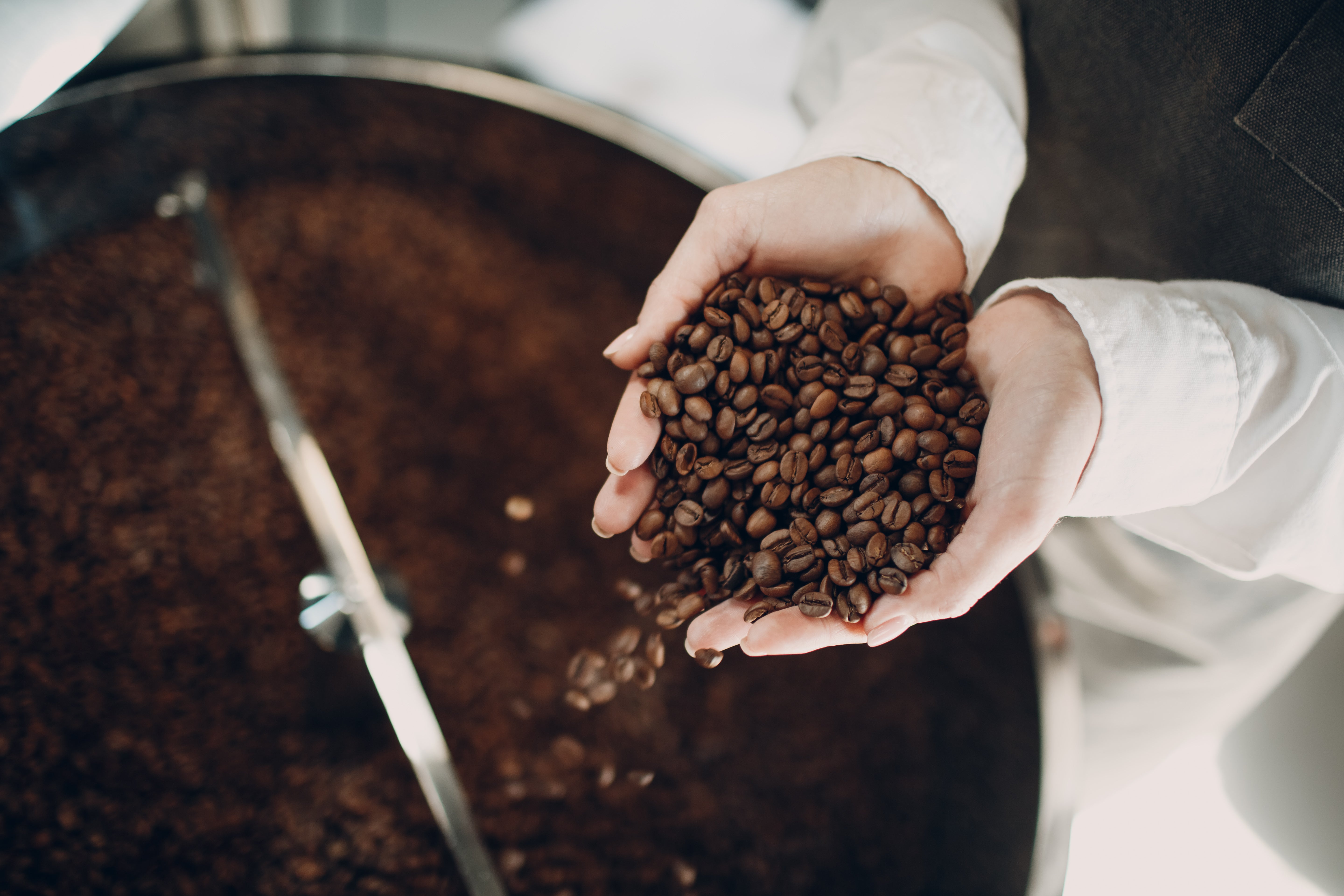
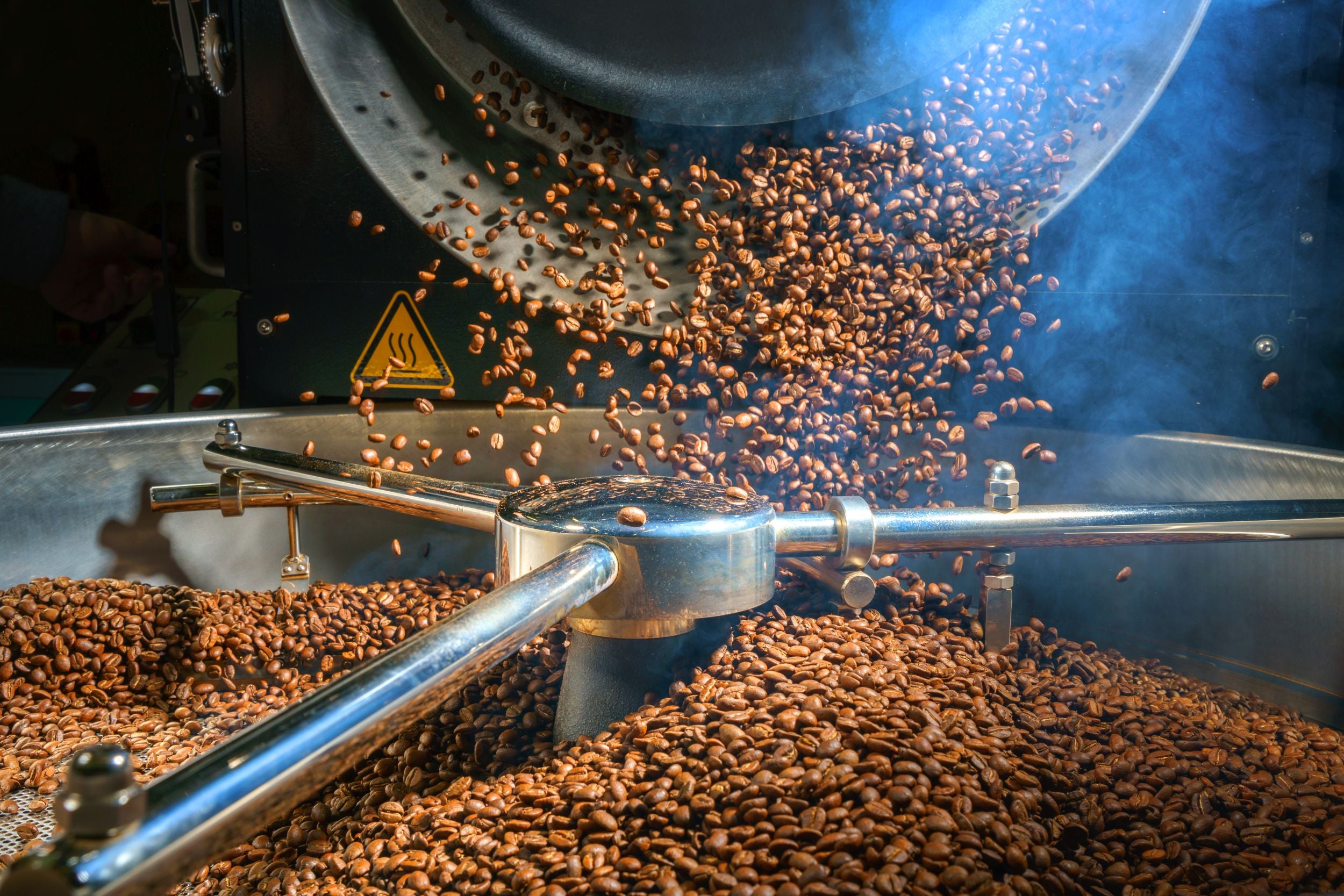
Our organic coffees come from sustainably managed plantations in Central America, South America, and Africa. They are carefully refined in the drum in our own roastery.
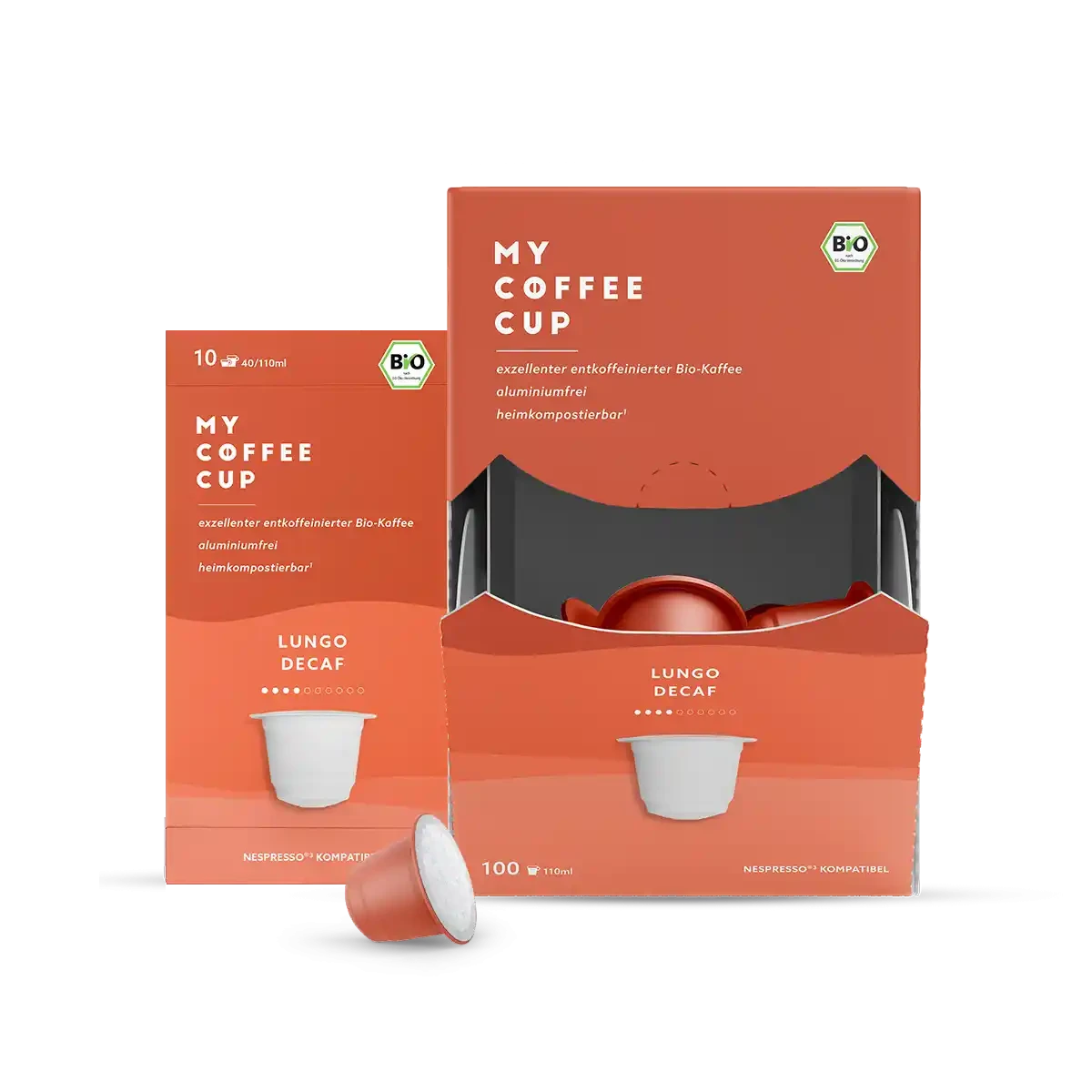
Maxwell Martinelli, our coffee sommelier, evaluates every variety before it goes into production. Only certified organic coffees, teas, herbs, and fruits, as well as natural flavorings, go into the capsules. The decaf is decaffeinated without the use of chemicals.
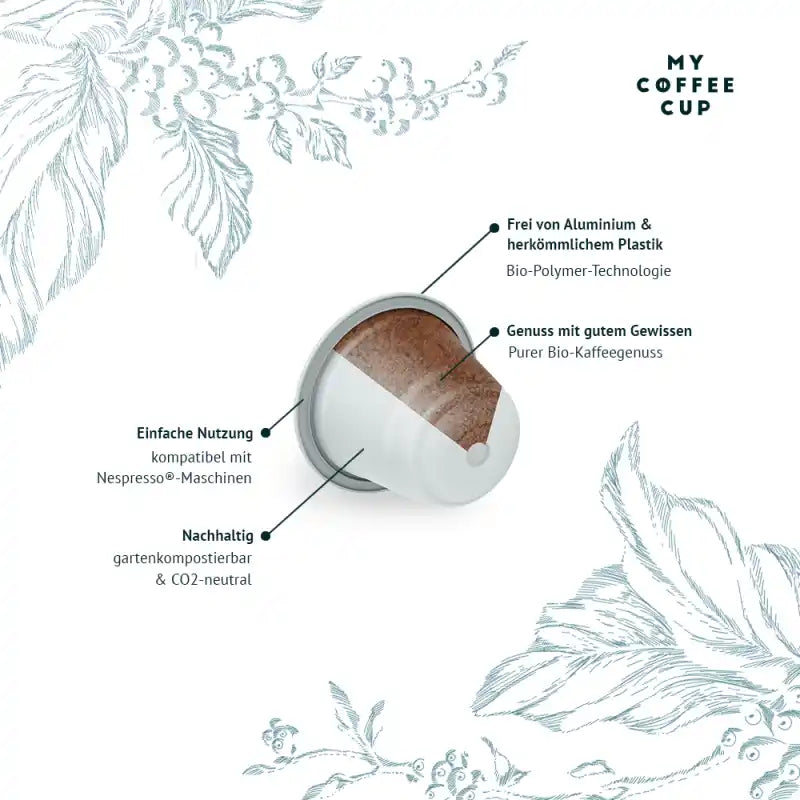
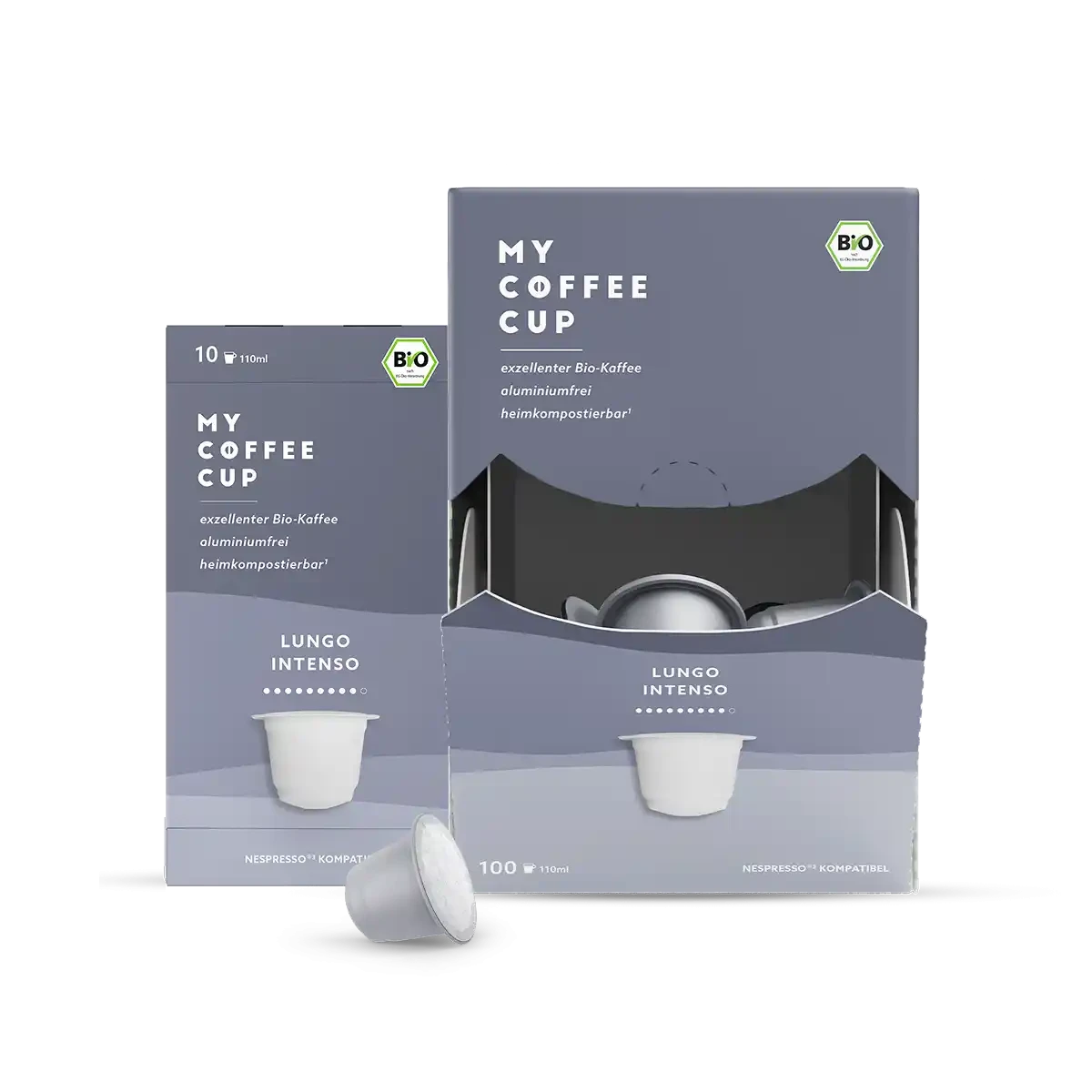
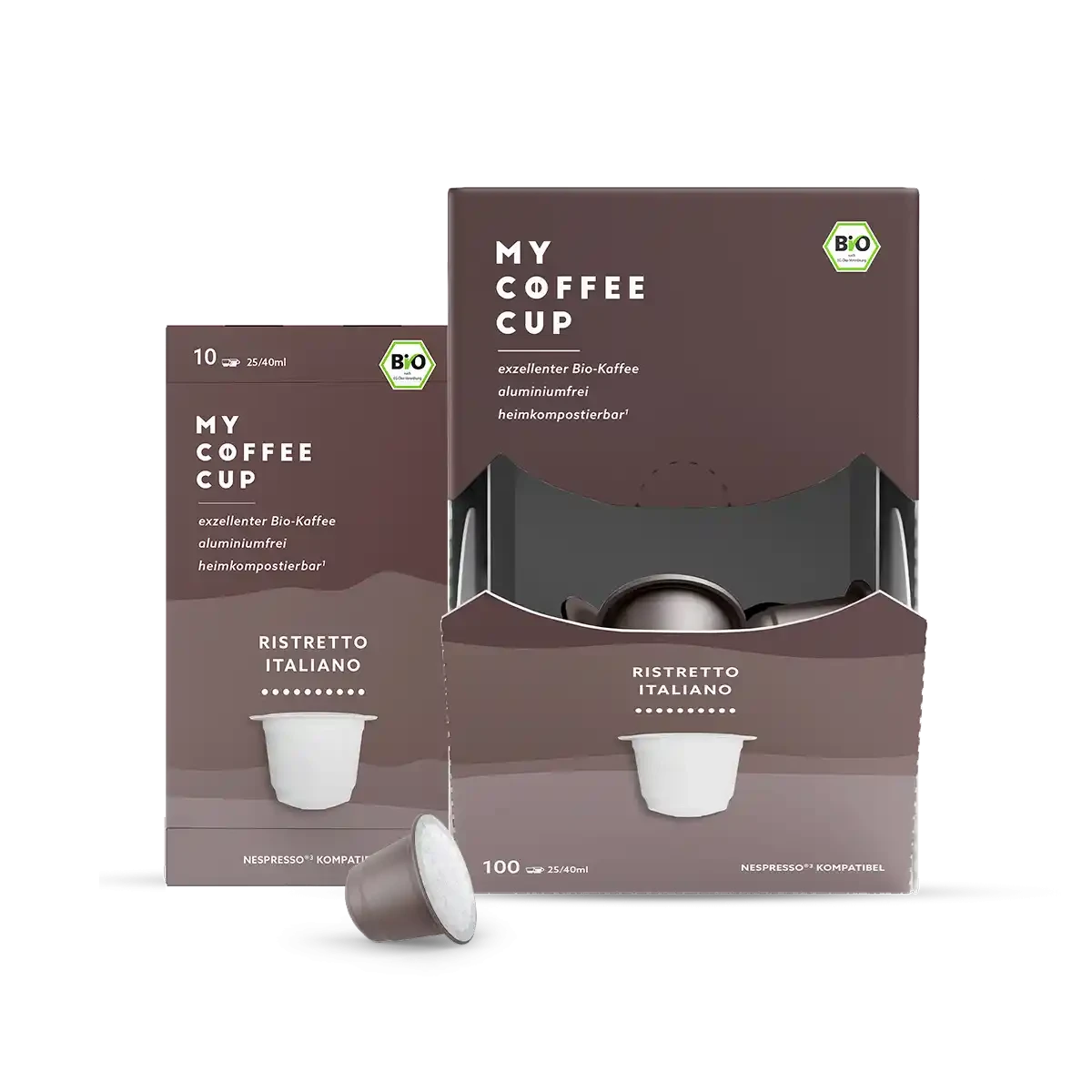
The casing consists of around 96 percent biogenic carbon.
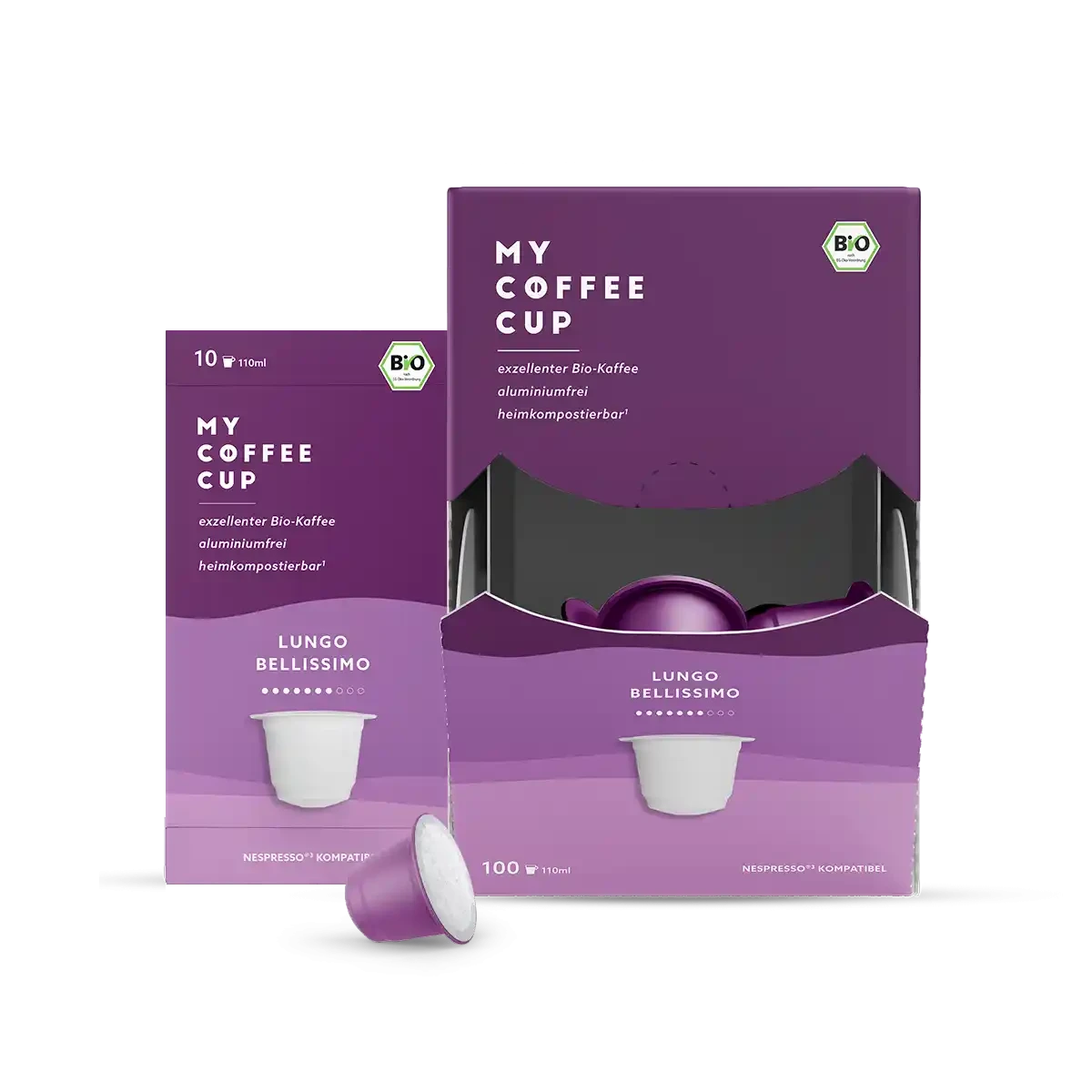
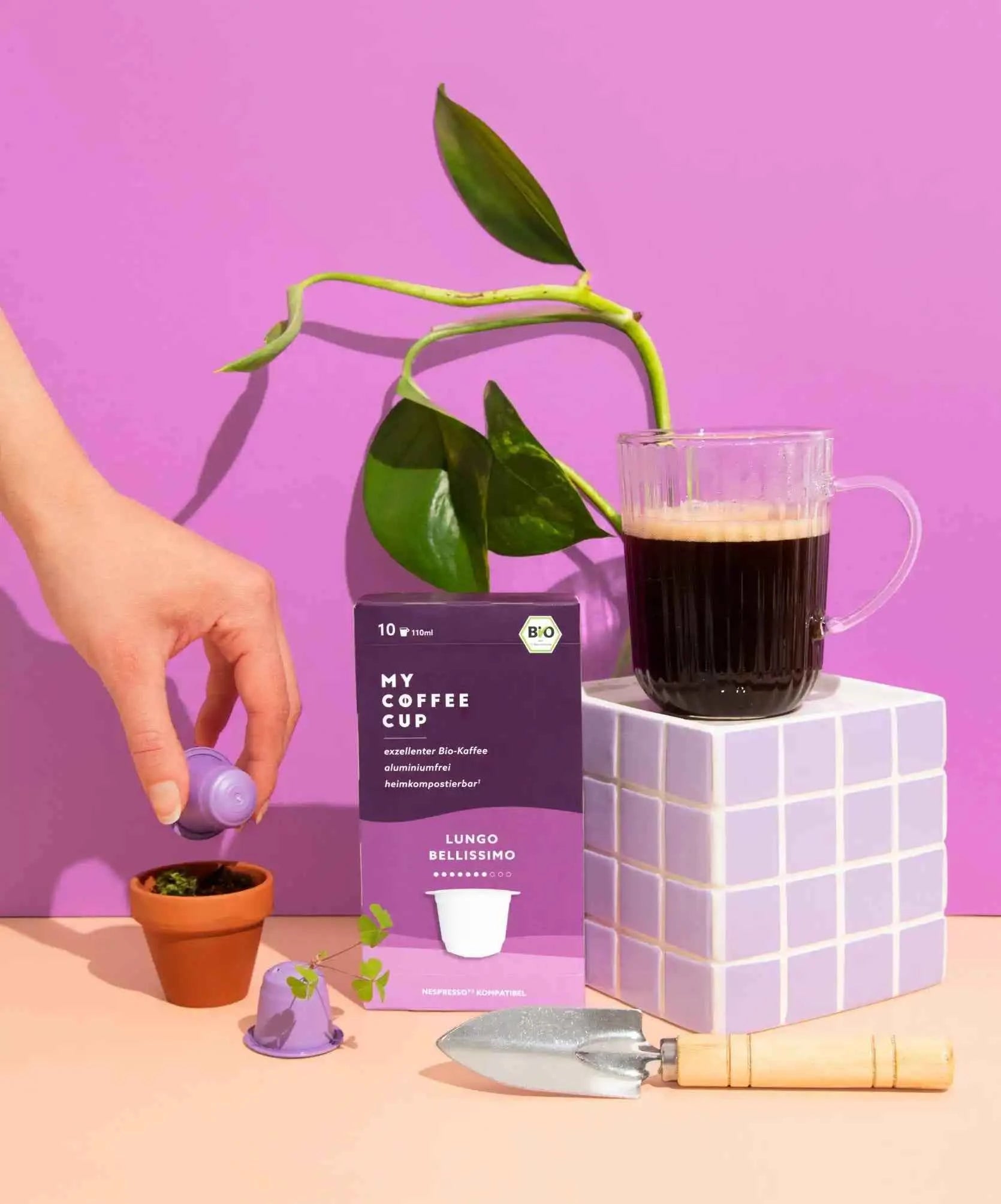
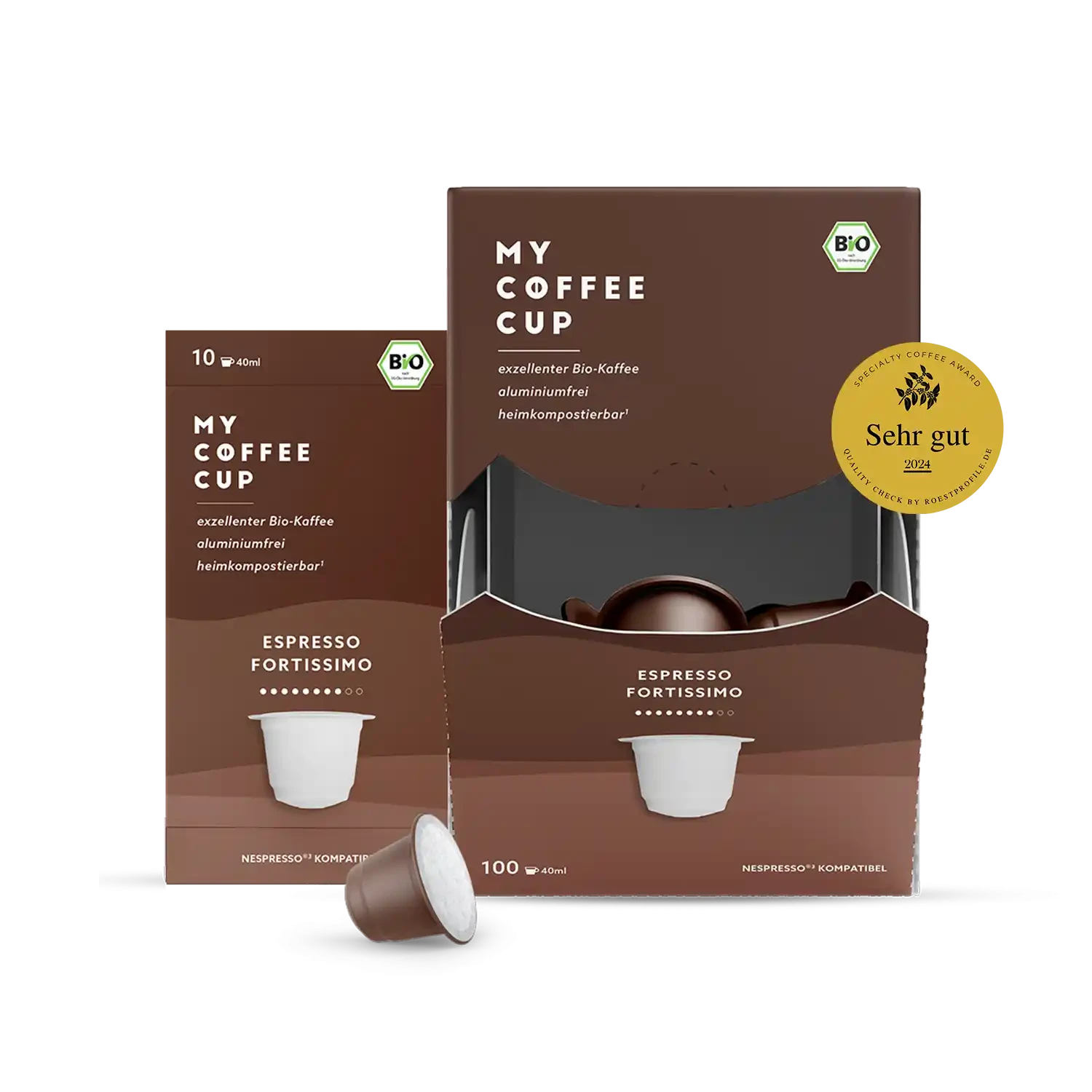
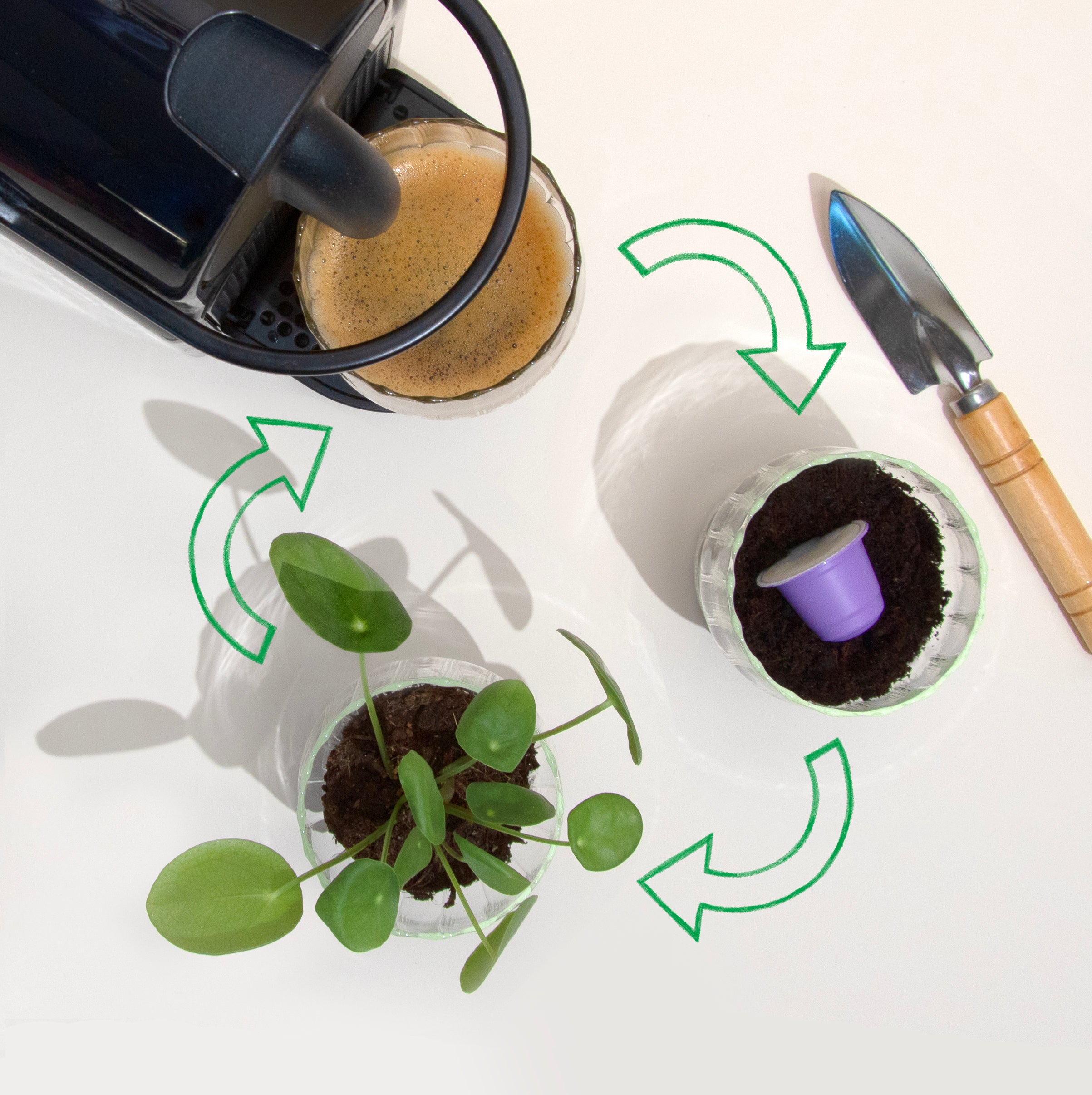
It contains neither aluminum nor conventional plastic. The capsule is certified for industrial composting as well as for home and garden composting¹, where it decomposes in a maximum of 24 weeks¹.
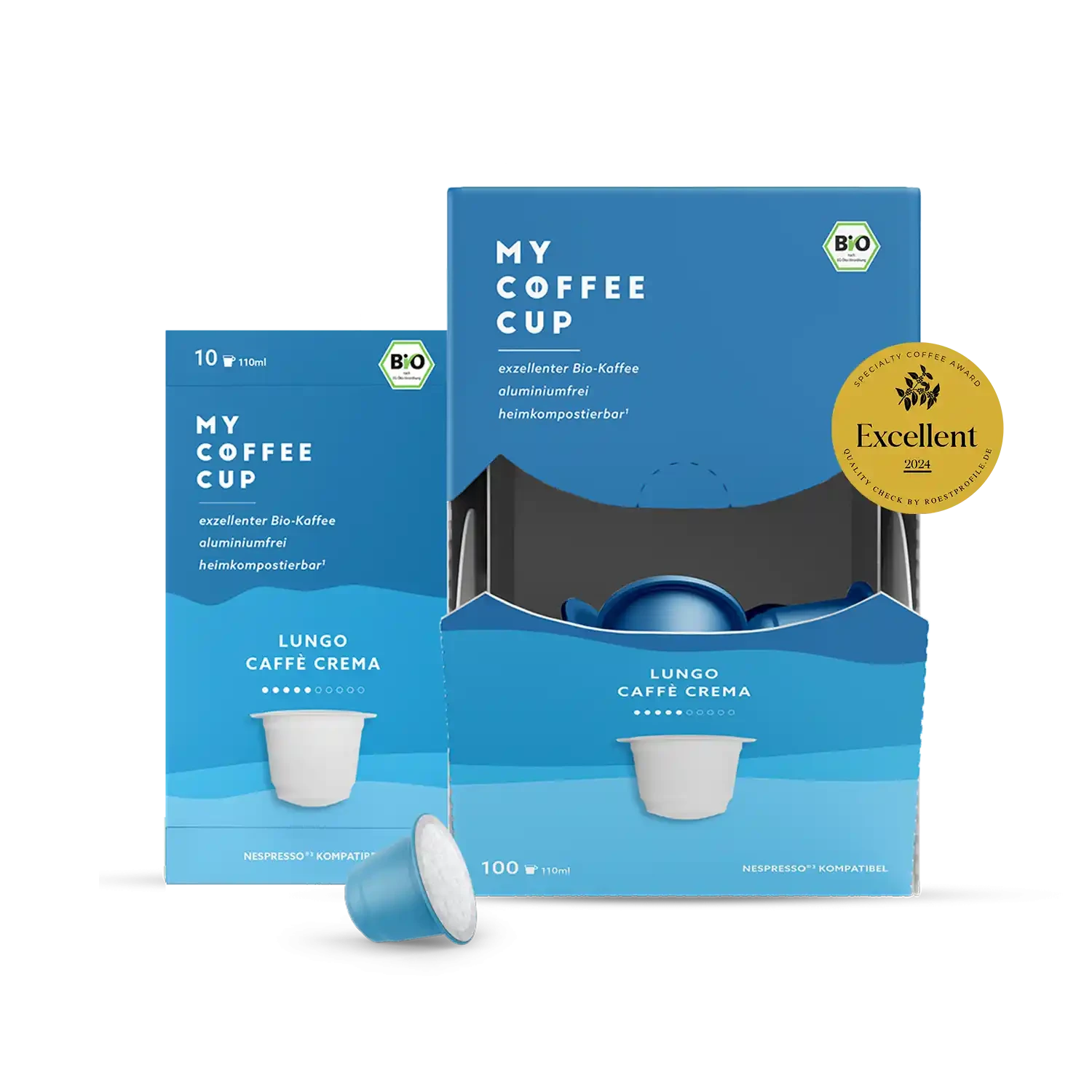
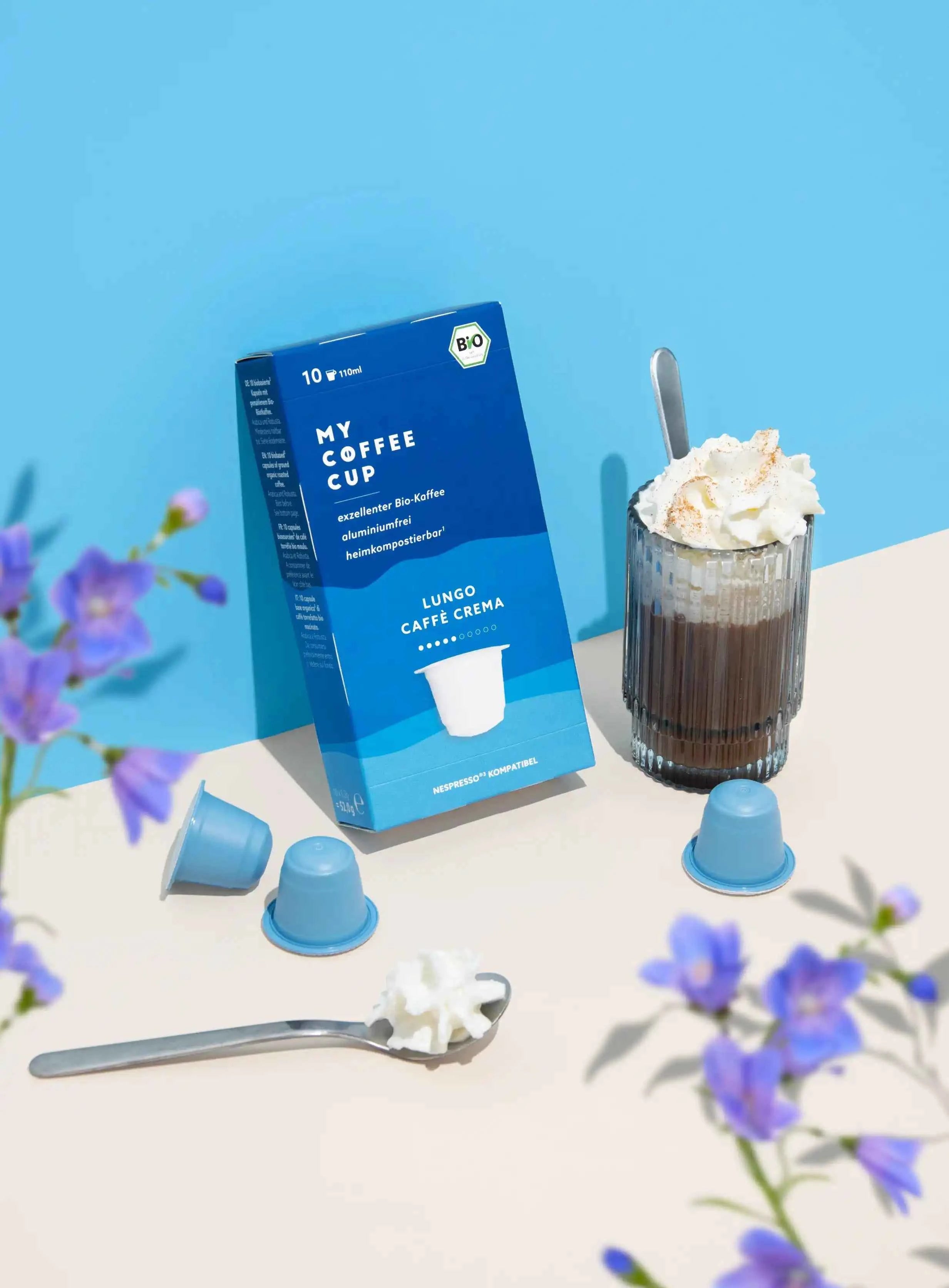
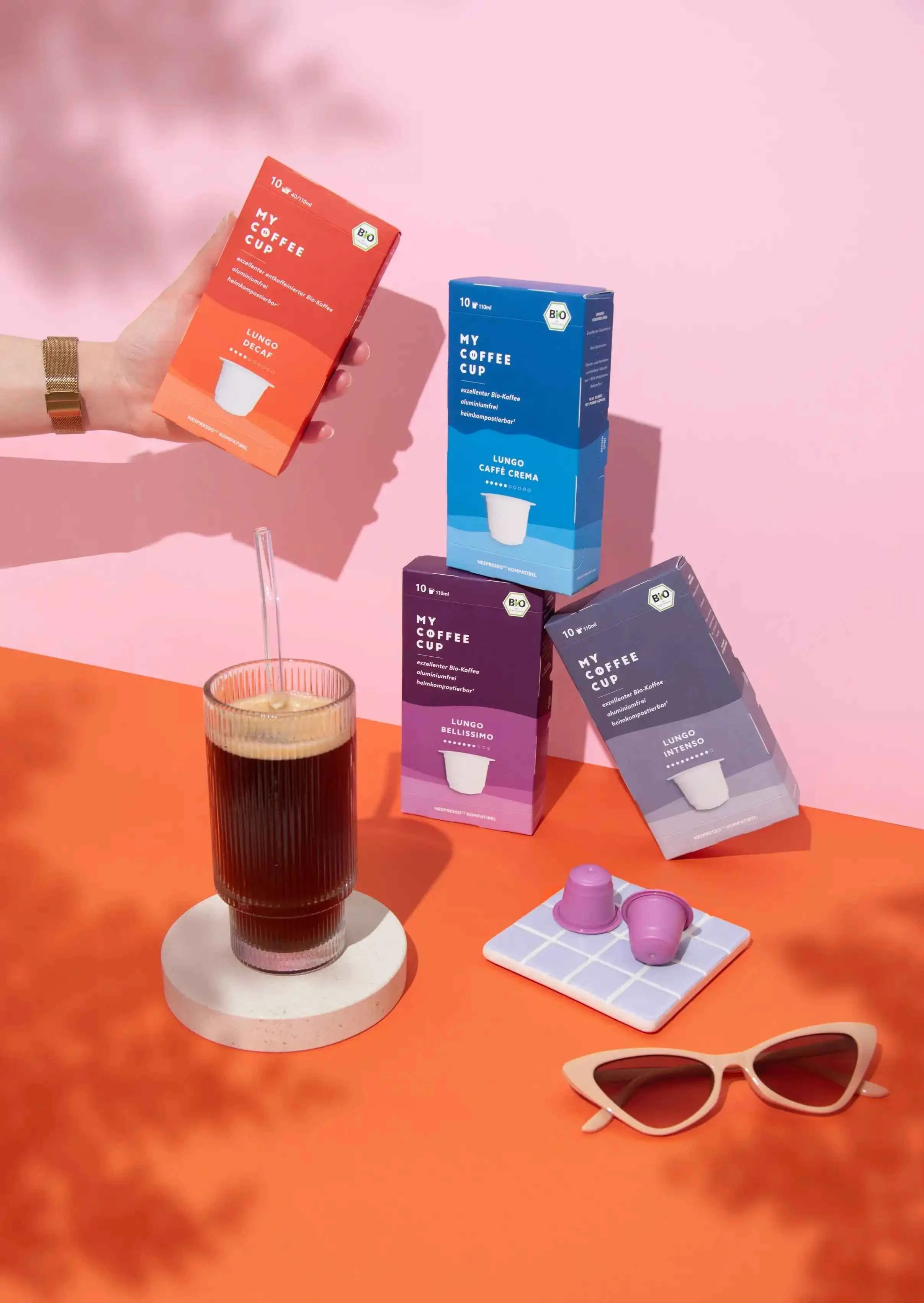
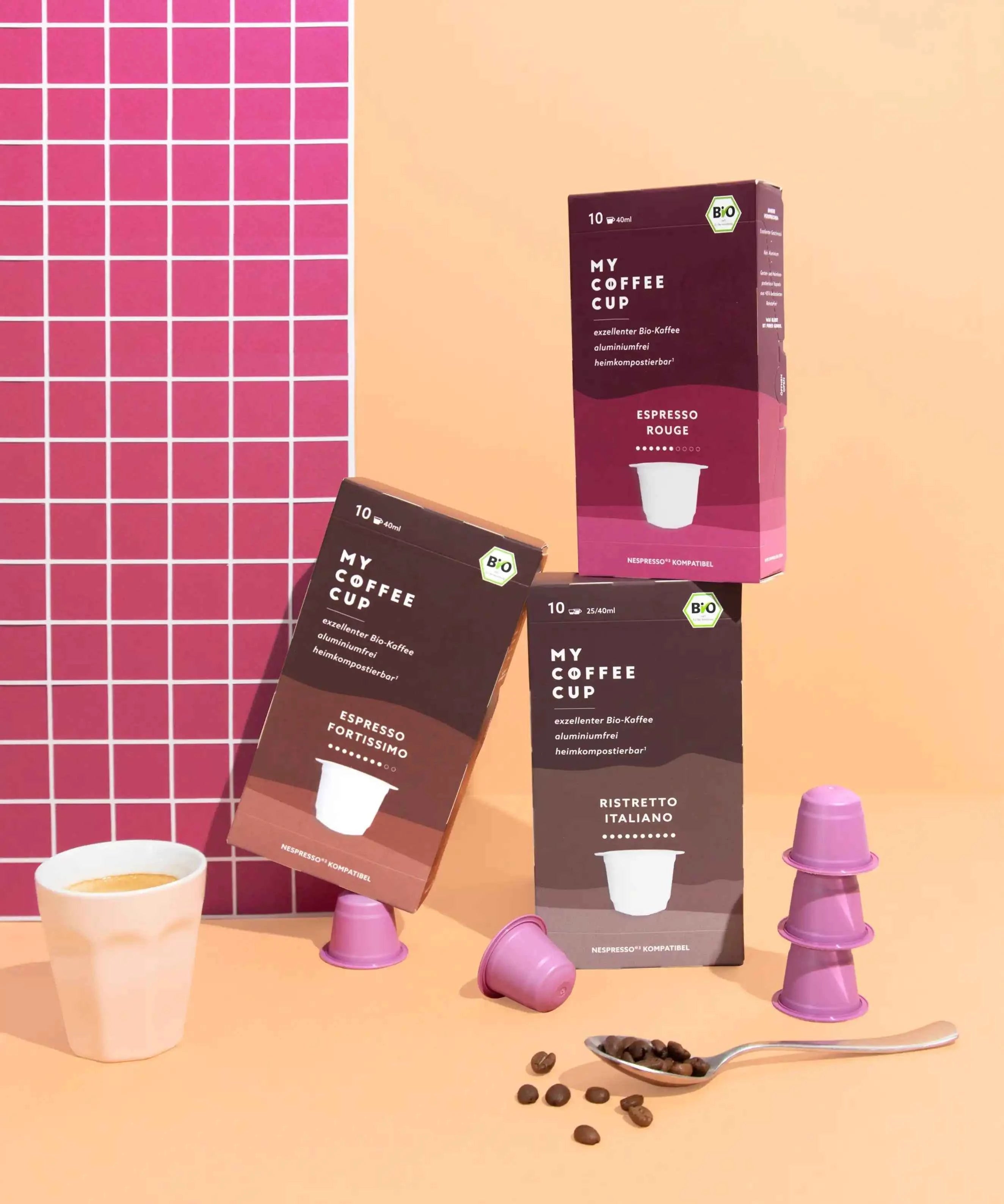
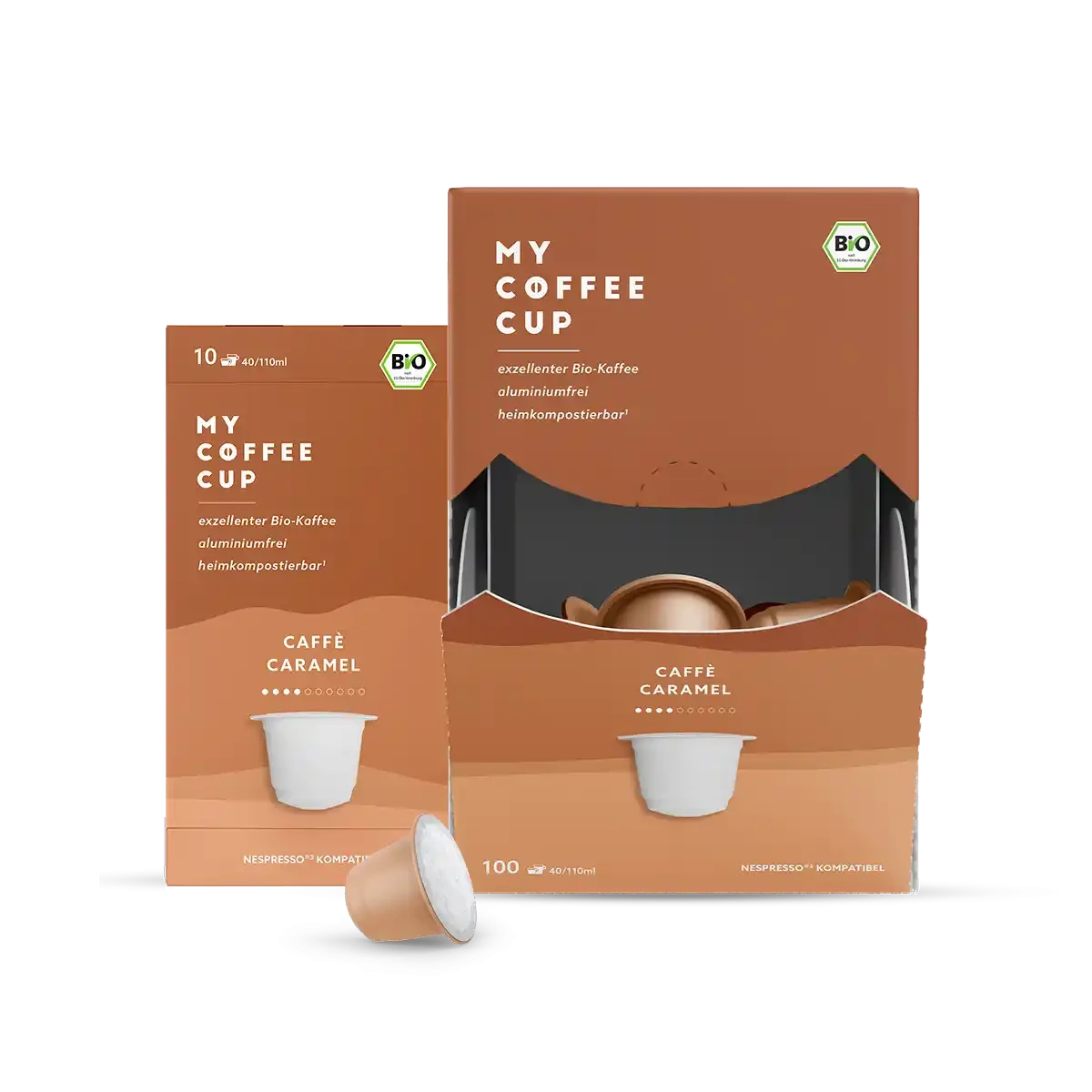
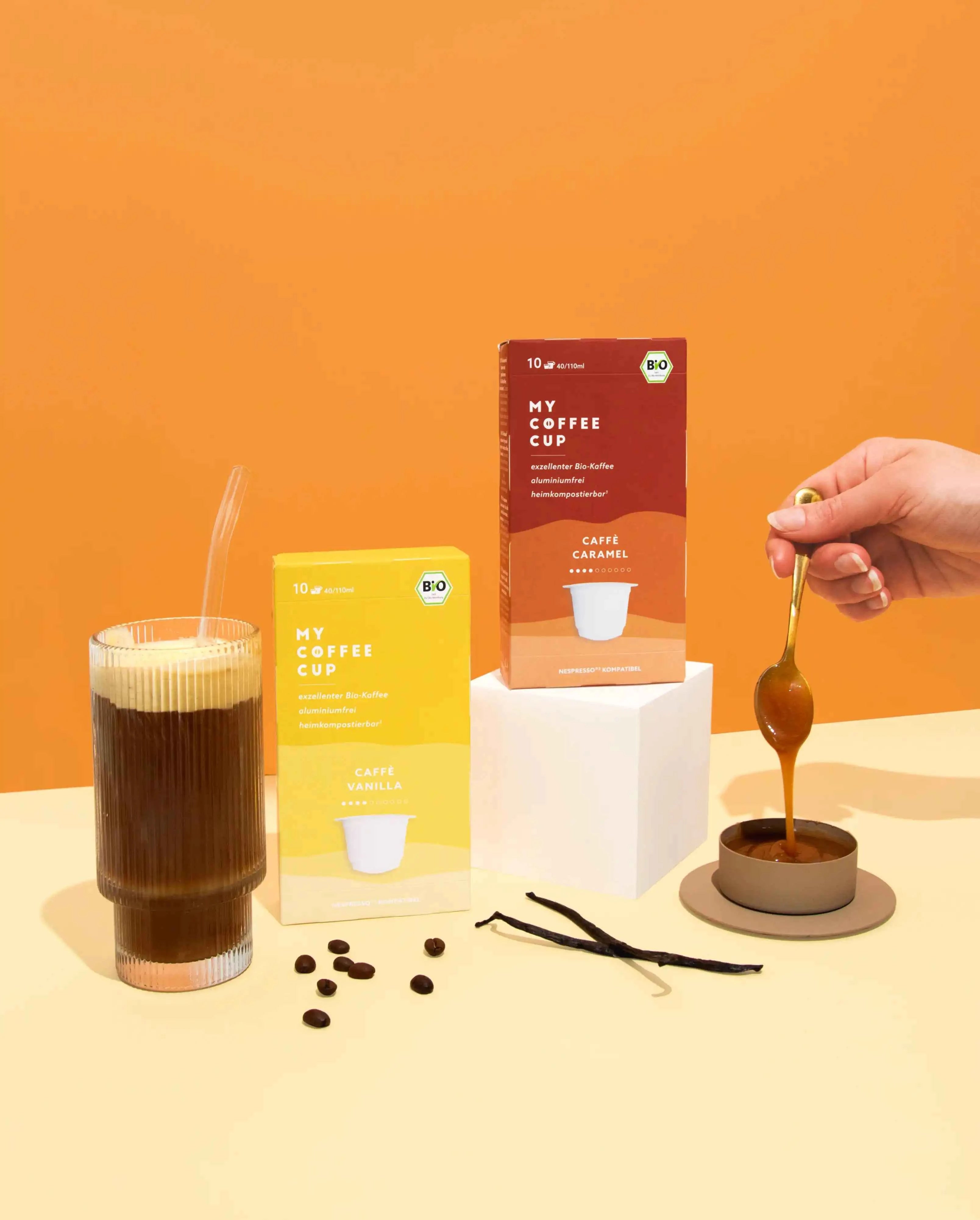
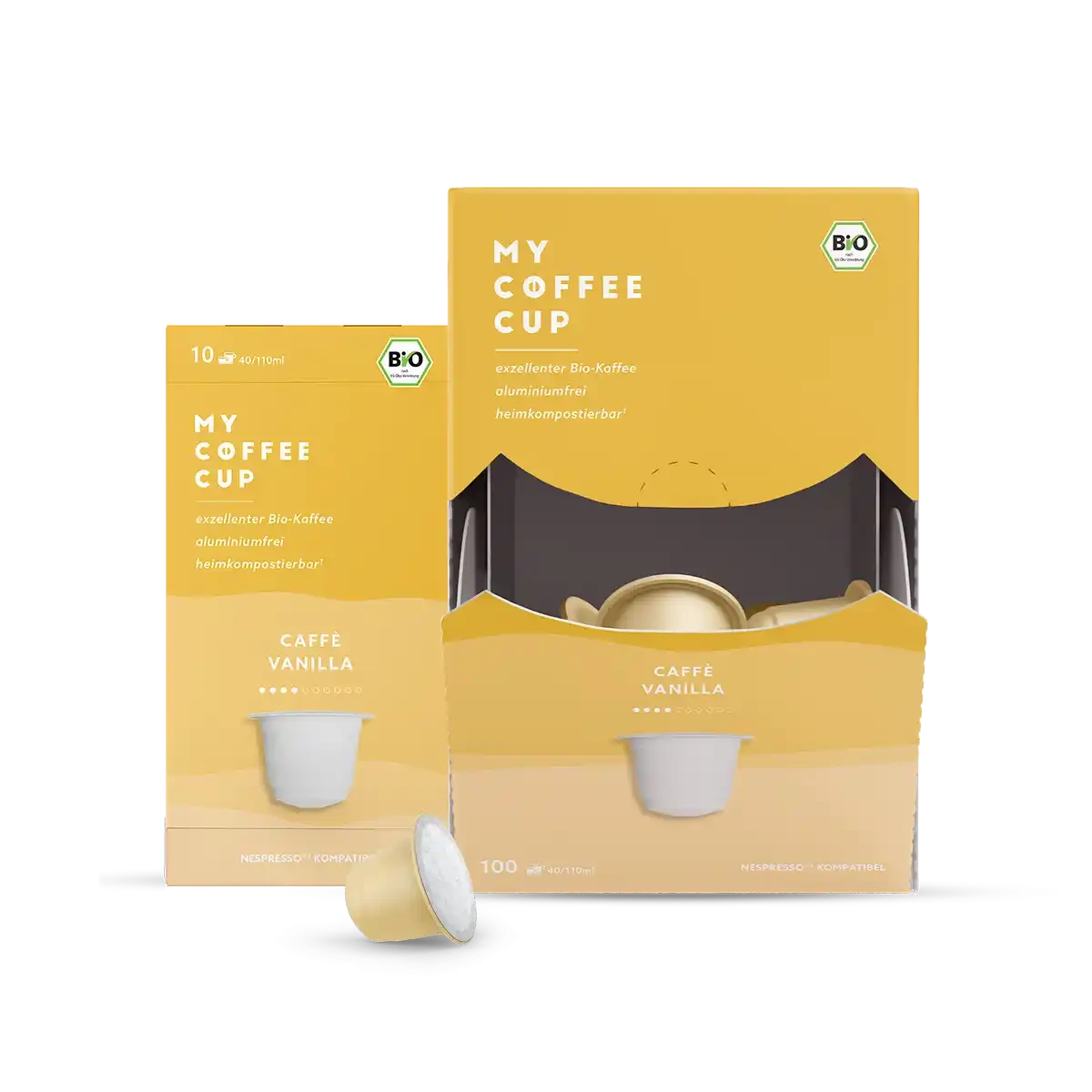
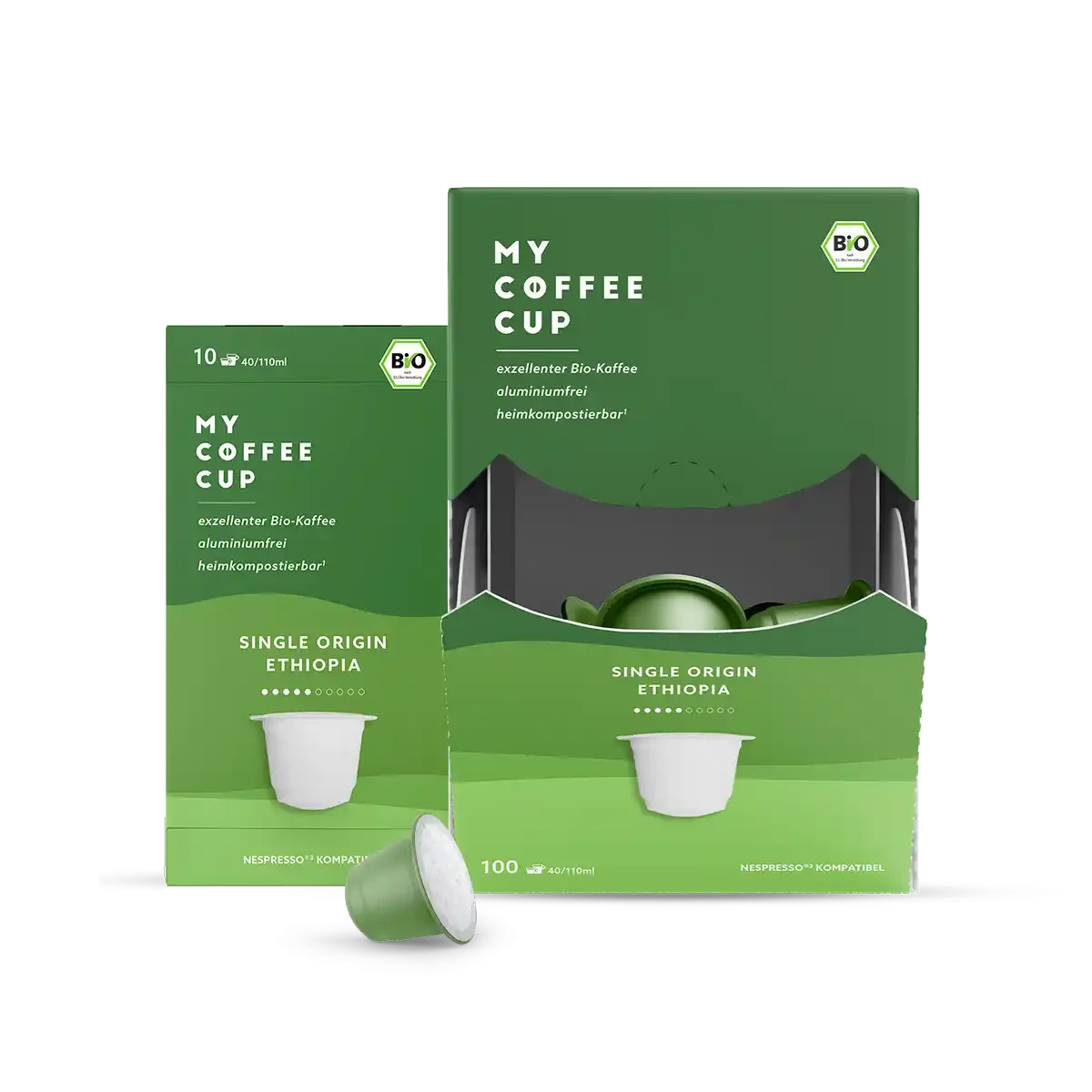
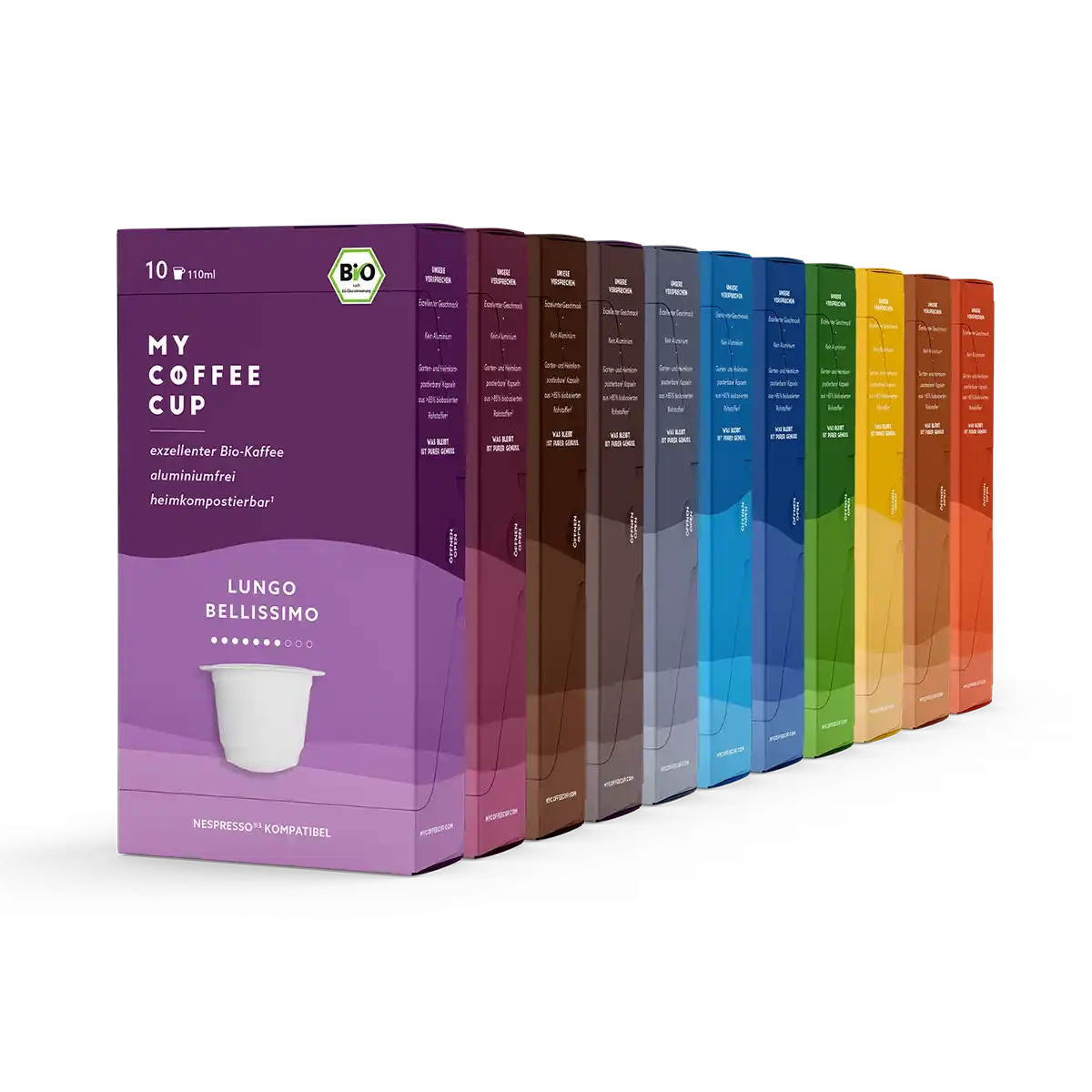
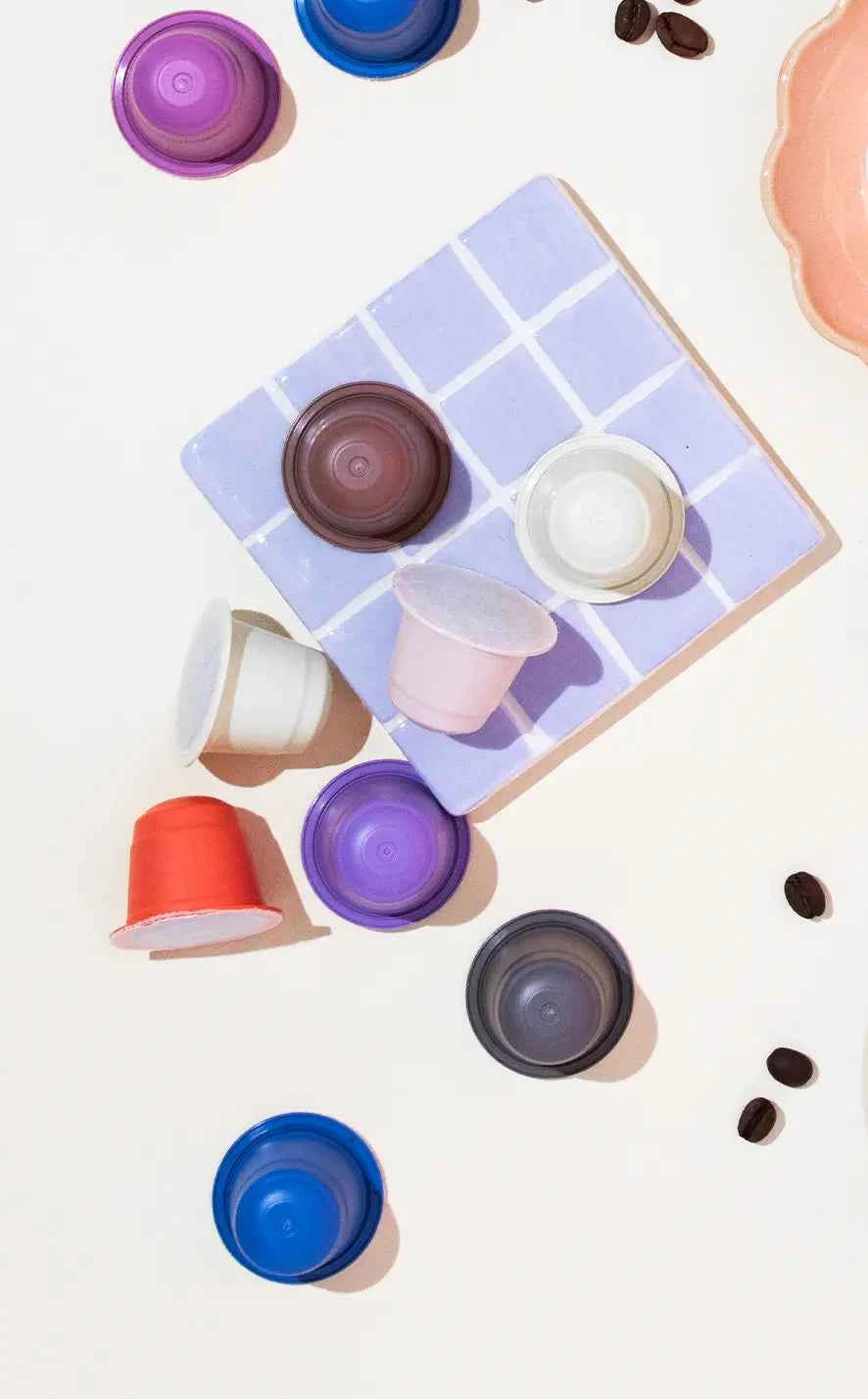
They are available in 13 colors plus neutral, so you can tell the different varieties apart in the pantry. When disposing of them, the coffee grounds stay inside, as they are part of what decomposes. So, there is no need for you to separate anything.
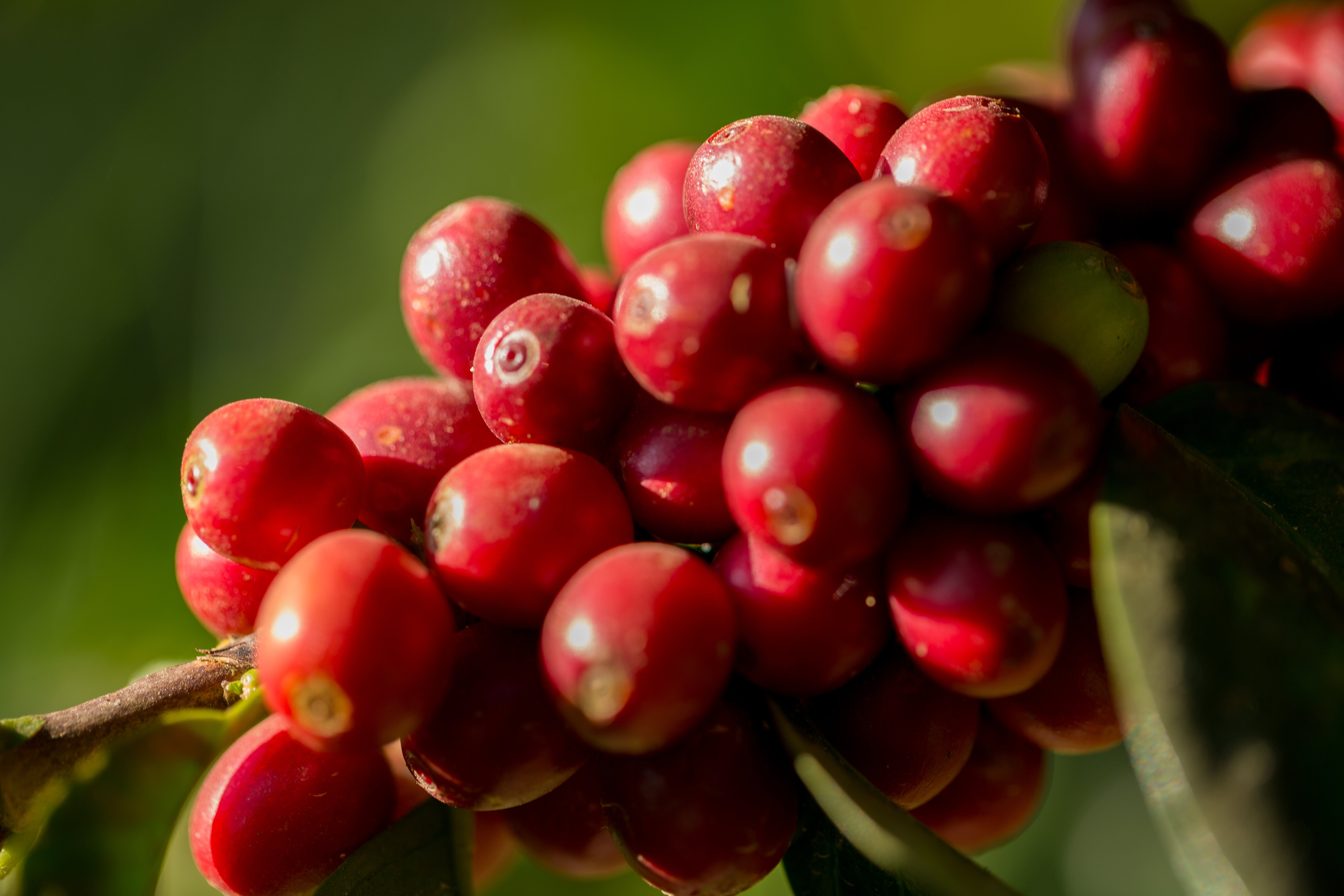
Shade trees instead of synthetic pesticides
All our organic coffees are sourced from ecologically sustainable farms, certified organic according to EU standards. This includes shade trees, organic composting, and natural pesticides.
This is not an addition to the business, but a prerequisite for it. Anyone selling coffee that can be composted after drinking cannot have it grown using substances that have no place there.
Three things we cannot do
A mission page where everything goes perfectly is not a mission page, it's an advertisement. That is why these are the three points where our approach reaches its limits. That does not change what is written above. You should know about them, however, before you order.
Verify instead of believing
How well capsule recycling works in practice can be found under recycling coffee capsules — including the points where the cycle breaks down. Which bin to use for which material can be found under disposing of coffee capsules.
The certifications behind the compostability¹ and how to read the Nespresso®³ brand reference are explained in the footnotes in the footer.
The same standard applies to the tea
Alongside MY COFFEE CUP is MY TEA CUP, and the rules are the same: certified organic raw materials, compostable¹ capsules, and in-house processing. However, one detail is handled differently for tea than for coffee.
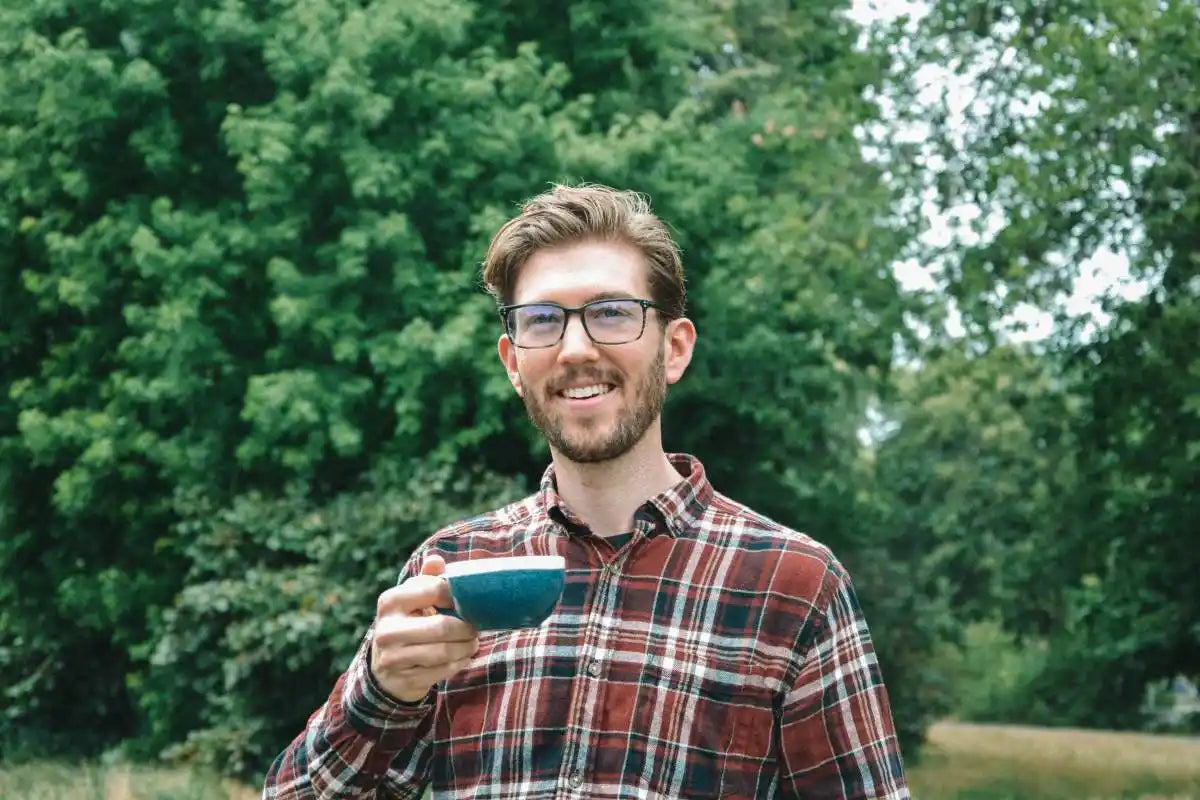
Who is behind My Coffee Cup
Behind the brand is UniCaps GmbH: coffee and tea experts, engineers, material scientists, as well as people from marketing and sales, and sports and nutrition physicians.
The reason for this blend is the capsule shell. Finding a material that retains aroma, withstands the pressure in the machine, and subsequently decomposes in a garden compost is material science — not marketing.
The coffee in question